My other links

Archives of Kannada Radio Program
http://www.itsdiff.com/Kannada.html

(Kannada Songs, interviews with C Ashwath, PB Srinivas and more)


ರಸಿಕರ ರಾಜ್ಯ
For my Kannada blog please visit http://sampada.net/blog/rasikara-rajya

My first acting performance in a short movie (15 min): Please click here -> Kelade Nimageega - Short Movie

Friday, September 10, 2010

Radio Interview with Kannada Poets B.R. Lakshman Rao and H. S. Venkatesh Murthy

Accomplished Kannada poets H.S. Venkateshmurthy and B.R. Lakshman Rao. Photo by: Poornima Swamy
Kannada Radio Program on Wednesday Sept 15 on KZSU Stanford Itsdiff Radio
Interview with famous Kannada Poets B.R. Lakshmana Rao and H. S. Venkatesha Murthy

Details:
Date: September 15th
6.00 AM PST - 7.30 AM PST - Devotional and classical music
7.30 AM PST - 8.30 AM PST - Interview with B.R. Lakshmana Rao and H. S. Venkatesha Murthy
Live On Radio: Stanford KZSU 90.1 FM (in California Bay area)
Live On Internet: http://kzsulive.stanford.edu/ (listen from anywhere in the world)
Host: Madhu Krishnamurthy
Please check this site for updated informtion. http://rasikararajya.blogspot.com/
To listen to previous programs please visit. http://www.itsdiff.com/Kannada.html


For people listening in India. The interview is from IST 8.00 PM to IST 9.00 PM on Sept 15th Wednesday night.

Saturday, September 4, 2010

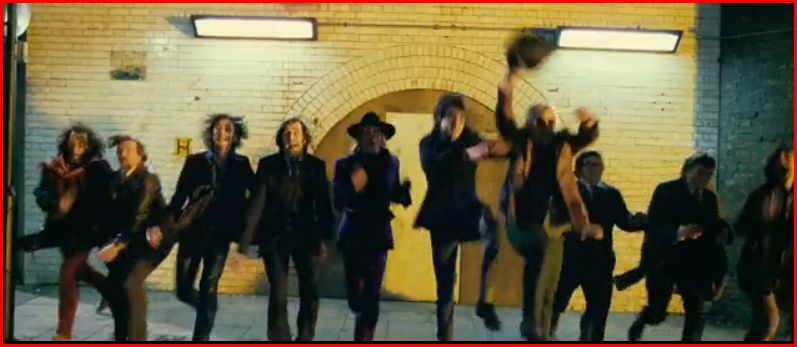
Movie Review: Pirate Radio (2010)

Title: Pirate Radio (2010)
Starring: Phillip Seymour Hoffman, Bill Nighy, Kenneth Branaugh, Emma Thomson (in a short role).
Written and Directed by: Richard Curtis

Verdict: Light hearted and fun movie set in the rock-n-roll era - the sixties. Feels great to listen to superb rock and roll music including Rolling Stones, The Who, Beach Boys, Smokey Robinson, Jimmy Hendrix, Moody Blues and more.

Score: 6.5 out of 10.

There is great fun in watching a bunch of middle aged men playing the immoral rock-n-roll music and thumbing their nose at the guardians of social sanctity. They live together in a steam boat off of England and are beaming exciting romping music to eager listeners on the main land. They are the 'Pirate Radio'.

This is a movie that is easy to watch and is thoroughly enjoyable not withstanding the fact that it is too easy on itself. The plot is a bit frivolous and the situations are created in such a way that the movie does not stray away from safe light hearted entertainment. Still one can't help admire these men having fun and adventure living on a boat sailing at a distance from the society. Each of them have their radio time slots when they broadcast their music shows to eagerly waiting listeners who go wild at the first sound of their voice. Then they play popular rock and roll numbers. We are shown men and women in various walks of life enjoying listening to these shows. There is of course the customary screaming and dancing from teenage girls.

The boat is fully equipped with supplies and even some one to cook. While the men are not playing music they are playing games like 'Truth or Dare'. Every now and then each men is allowed to be visited by a fan ('an adoring, enthusiastic and female fan').

You can now see why the British government is bummed out at the corrupting influence this radio is having on good men and women of the society. They make it their mission to put this pirate radio out of commission. The people at Pirate Radio are so passionate about music and what they do, they are willing to put a fight. The movie plays out this tussle.

Acting by the cast is very jovial. The captain of the ship is played by Bill Nighy and he turns in a cool performance with his colorful suits and dance moves. The music rocks!

A fun movie. I will give it a 6.5 on 10

Monday, August 30, 2010

Chandamama - The magical magazine

Today I saw my childhood's favorite magazine Chandamama for the first time in more than 2 decades. My friend Srivatsha Joshi writes a weekly column 'Paraga Sparsha' in the Kannada daily Vijaya Karnataka. In his recent writeup he had written about the wonderful days of one's childhood. Starting with Jagjeet Singh's ghazal "yeh daulat bhi lelo" about getting back childhood, he had gone on to reminisce about one's younger days. It is a beautiful article. The link to podcast version is provided at the end of this article. While I enjoyed the article for many reasons, one thing that hit me deep was that it pointed out a link to the website of my childhood's favorite magazine 'Chandamama' - the colorful publication which came every month and contained colorful illustrations and stories. As soon as I heard about Chandamama's web presence I was there looking up the web page. The website is pretty cool with links to Chandamama in various Indian languages as well as in English. It has various categories and you can look up older stories. You can go to the archives and choose older issuea and read them as if you are flipping the printed magazine. The link to Chandamama website is at the end of this article.

Looking at the various pictures and stories I was transported back to my primary school days in Bangalore. During those days we got the English daily Deccan Herald, delivered to our home. Once a week (on Wednesdays) we would receive 'Sudha' the Kannada magazine which had a loving fan-following among Kannadigas. It was a very dignified weekly which catered to refined tastes with serial stories (dharavahi), cartoons, photo comics, interviews and a decent film section. Reading it and discussing its contents formed part of the family's activities. As children, I, my brother and my cousins enjoyed reading comics strips such as Dabu, Majnu, Shuja, Inspector Azad.

I remember that one day I had gone to my aunt's house with my mother. A small book sized magazine caught my eye with its colorful pictures and grand representations of Indian mythology. Flipping through a few pages was enough to suck me into the wonderful magical world this small magazine, namely Chandamama, had created. That particular issue had a picture of Hanuman, his tail wound to form a huge pedestal for himself to sit on. From this tall perch he was staring down at Ravana. Besides this, there was the image of the most spectacular Ashoka Vana, which occupied one full page. When my mother noticed my excitement at reading Chandamama in my aunt's house, she made the decision to subscibe it and I became a regular reader.

Thinking about it now, I feel a lot our mental pictures of ancient India has been painted by magazines like Chandamama and Amar Chitra Katha. I still remember the beautiful representation of Amaravathi - the beautiful capital city of the gods in heaven. I can also recall that eerie picture at the end of the Mahabharatha epic, the picture in which Yudishtira accompanied by a dog, crosses the Vaitharni river to enter the 'after-life' world.


At the beginning of the magazine was the Panchatantra series by Vishnu Sharma. Panchatantra taught valuable life lessons through stories involving characters like foxes, elephants and humans with names like dushta buddi (evil mind) and paapa buddi (bad mind). It was with uncontrollable excitement that I would hold these magazines as they were delivered on the appointed day in the month.


Oh how can one forget the series involving Raja Vikramaditya and the Beethala (ghost). In between all these there would be stories which involve normal human beings. There would be stories about villagers, sanyasis, old time businessmen with names like Ratnayya Sreshti. This was the world from a by gone era. That world was untainted by modern life, technology or vices. Once, I had felt odd when a small story referred to a radio. How can the wonderful world of Chandamama have a radio which is from our 'realistic' world.?

It was mainly through Chandamama that I learnt to read longer Kannada passages. At that age I was perhaps the only kid in my English medium school who could read Kannada stories so fluently. It feels great to experience again that thrill from my child hood days. Here is the link to Chandamama online. Hope you will enjoy it too.

Here is a link to Srivathsa Joshi's Kannada podcast article 'Give me back my childhood.'

Wednesday, August 11, 2010

Kannada Movie: Beru (The Root)

Title: Beru (2005) (Kannada with English Subtitles).
Starring: H.G. Dattatreya, Suchendra Prasad, M.P Venkata Rao, Baby Sowmya, Neeta, Vidya Murthy, Lakshmi Chandrashekar, T.N Seetharam
Direction: P Sheshadri
Produced by: Mitra Chitra
Music: PraveenKiran
Photography: S Ramachandra
Story: J M Prahlad
Screen Play: P Sheshadri and J M Prahlad


Verdict: An excellent movie which brings out the extent to which corruption and apathy has seeped into the social fabric of the Indian society. Winner of 2005 Indian National Award for "Best Kannada Film" and 2005 Karnataka State Award for "2nd best Kannada Film". This DVD is available in Cupertino Library.

Score: 9 out of 10

Corruption in public life is not a new theme in Indian movies. We have seen many commercially successful as well as critically acclaimed movies before. But Beru by P Sheshadri does a very good job of showing to the audience the entrenchment of corruption and the damage it can cause in the Indian society. We are not talking of corruption in the corridors of power but in everyday lives of the common man.

The story in this movie involves a young and honest government official Raghunandan who takes charge of a Taluk office in a remote village called Karadi Gudda in Karnataka, India. Within a few days he faces his first challenge. A minister's visit is forthcoming and his superiors in the government give him the responsibility of making lodging arrangements for the minister in the government Inspection Bungalow (IB). As it turns out, his own subordinates have used the IB as an excuse to misappropriate funds. At the center of this misuse of funds is the head clerk Venkateshiah played by Dattattreya. Venkateshayya is a regular family man but allows himself to misuse the government funds because he thinks his financial problems are a valid excuse. A central theme that runs in the film is that the house of a poor man is about to be destroyed by the creeping root of a huge tree. He needs government permission to cut the tree and save his house. But the government officials are so corrupt that they barely look at his plight. The director uses the metaphor of the house to show the possible destruction of the Indian society by the deep rooted corruption.

The movie is really beautiful in the sense it has characters which are quite complex and human. The best effect the film has is that it puts us inside the minds of the characters and challenges us to think what we would have done if we too were faced with similarly difficult situations as the characters. Sheshadri the director ensures that movie stays tight and focused without any slack in the pace of the story.

Music by Praveen-Kiran provide a good backdrop with folk tunes. One minor thing I found odd was that the theme music and during some situations (like meeting the Meti) the back ground music try to set a mysterious mood which is not the intention of the movie.

The actors have given superb performances. HG Dattatreya as the corrupt head clerk Venkateshiah simply lives the role. Suchendraprasad as the official Raghunandan is a great study in character. It is very rare to see an Indian movie in which the characters lead the story's movement and display interesting behavioral changes. But this movie is an exception. His role develops so well that we get the satisfaction of seeing and understanding a person up close. Venkat Rao as Goravayya and baby Sowmya as the little girl shine in their roles. Neetha as the wife of Raghunandan's turns in a beautiful performance. All others provide excellent support.

Monday, July 26, 2010

life chitranna

This article was first published in Swarnasetu 2004, an annual magazine brought out by Kannada Koota of Northern California. Later it was also published in thatskannada web portal.

ಏನ್‌ ಗುರು ಸಮಾಚಾರ? ಸಪ್ಪೆ ಮುಖ ಹಾಕಿಕೊಂಡಿದ್ದ ಆಪ್ತ ಗೆಳೆಯನ್ನ ಈ ರೀತಿ ನಾನು ಕೇಳಿದಾಗ ಬಂದ ಉತ್ತರ ’ಲೈಫು ಚಿತ್ರಾನ್ನ ಆಗೋಗಿದೆ ಗುರು’ ಎಂದು. ಮನಸ್ಸಿಗೆ ಬಹಳ ವ್ಯಥೆಯಾಯಿತು. ಪಾಪ! ಹೀಗೇಕಾಯಿತು? ಚಿತ್ರಾನ್ನಕ್ಕೆ ಈ ಗತಿ ಏಕೆ ಬಂತು? ಜೀವನದ ಅರಾಜಕತೆಯನ್ನು ಹಾಗು ನೀರಸತೆಯನ್ನು ವರ್ಣಿಸಲು ಚಿತ್ರಾನ್ನವೇ ಆಗಬೇಕೆ? ಹಾಗೆ ನೋಡಿದರೆ ಚಿತ್ರಾನ್ನ ತಿನ್ನಲು ಬಹಳಾ ರುಚಿ ಅಗಿರುತ್ತೆ. ಜೊತೆಗೆ ನೋಡಲು ಅಂದವಾಗಿರುತ್ತೆ ಕೂಡ.

14 ವರುಷದ ಹಿಂದೆ ಚನ್ನರಾಯಪಟ್ಟಣದ ನನ್ನ ಚಿಕ್ಕಮ್ಮ ಮಾಡಿದ್ದ ಚಿತ್ರಾನ್ನವನ್ನು ಜ್ಞಾಪಿಸಿ ಕೊಂಡರೆ ಇಂದಿಗೂ ನನ್ನ ಬಾಯಲ್ಲಿ ನೀರೂರುತ್ತೆ. ಮಲ್ಲಿಗೆ ಹೂವಿನಂತ ಹಳದಿ ಬಣ್ಣದ ಅನ್ನ, ಎಣ್ಣೆಯಲ್ಲಿ ಹುರಿಯಲ್ಪಟ್ಟ ಕಂದು ಬಣ್ಣದ ಕಡ್ಲೆ ಬೀಜ, ಅಲ್ಲಲ್ಲಿ ಮೆರಗು ನೀಡುವ ಹಸಿ ಮೆಣಸಿನ ಕಾಯಿ, ಕರಿಬೇವು ಮತ್ತು ಕರಿ ಸಾಸಿವೆ! ಇಂತಹ ಚಿತ್ರಾನ್ನವನ್ನು ಇವನ ಗೋಳಿನ ಜೀವನಕ್ಕೆ ಹೋಲಿಸುವುದೆ? ಅವನಿಗೆ ಹೇಳಿದೆ ‘ತಪ್ಪು! ದೊಡ್ಡ ತಪ್ಪು! ಇನ್ನೂ ಬೇಕಾದರೆ ಸಾರನ್ನಕ್ಕೆ ಹೋಲಿಸ್ಕೊ.’ ಇದನ್ನು ಕೇಳಿದ ಸ್ನೇಹಿತ ನಿಬ್ಬೆರಗಾಗಿ ನನ್ನನ್ನೇ ನೋಡುತ್ತಾ ನಿಂತ. ಸಾರನ್ನದ ಈ ಮಹತ್ವ ತನಗೆ ತಿಳಿದಿರಲಿಲ್ಲವಲ್ಲ ಎಂದು ಅವನಿಗೆ ತನ್ನ ಬಗ್ಗೆಯೇ ಸ್ವಲ್ಪ ನಿರಾಶೆಯಾಗಿರಬೇಕು. ಅದಕ್ಕೆ ಇರಬೇಕು ಅದಾದ ನಂತರ ಅವನು ನನ್ನ ಬಳಿ ಆ ವಿಷಯ ಮಾತಾಡಿಲ್ಲ.

ನಿಜ ಹೇಳ್ಬೇಕು ಅಂದ್ರೆ ನನಗೂ ಸಾರನ್ನಕ್ಕು ಸ್ವಲ್ಪ ಅಷ್ಟಕ್ಕಷ್ಟೆ ! . ಒಂದು ಮನೇಲಿ ಇವತ್ತು ಅಡಿಗೆ ಮಾಡಲಾಗಿದೆ ಅನ್ನೋದಕ್ಕೆ ಅನ್ನ ಸಾರು ಒಂದು ಸುಳ್ಳು ಸಾಕ್ಷಿಯೇ ಹೊರತು ಅದಂರಿಂದಲೇ ಹೊಟ್ಟೆ ತುಂಬಿಸ್ಕೋಬೇಕಾದ್ರೆ ಬಹಳ ಕಷ್ಟ ಸ್ವಾಮಿ. ಜೊತೆಗೆ ಹಪ್ಪಳ ಸಂಡಿಗೆ ಕರಿದಿದ್ರೆ ಚೆನ್ನಾಗಿರುತ್ತೆ. ಆದ್ರೆ ಇಲ್ಲಿ ಅಮೇರಿಕಾದಲ್ಲಿ ಅದನ್ನೆಲ್ಲ ಕರಿಯೋದೊ ಂದು ದೊಡ್ಡ ತಲೇನೋವು. ಕರಿಯೋದು ಸುಲಭ. ಆದ್ರೆ ಆ ಕರಿದ ಎಣ್ಣೆ ಎಸಿಯೋದು ಒಂದು ರಂಪ? ಅಂಗಡಿ ಸಮೋಸ ಇರೋದ್ರಿಂದ, ಏನೋ ಒಂದಷ್ಟು ಸಾರನ್ನವನ್ನ ಗಂಟಲಲ್ಲಿ ಇಳಿಸ್ಬೋದು.

ಸಾರನ್ನದ ಬಗ್ಗೆ ನನ್ನ ಅಭಿಪ್ರಾಯ ಏನಾದರು ಇದ್ದ್ಗೊಂಡ್‌ ಹೋಗ್ಲಿ. ನನ್ನ ಚೀನಿ ಸಹೋದ್ಯೋಗಿಯೂ ಅದರ ಬಗ್ಗೆ ಆಕ್ಷೇಪಣೆ ಮಾಡೋದೆ? ಒಂದು ದಿನ ಊಟ ಮಾಡುವಾಗ ಕೇಳಿಯೇಬಿಟ್ಟಳು
How come you bring rice inside some kind of soup? ಎಂದು. ಸಾರನ್ನದ ಬಗ್ಗೆ ಈ ರೀತಿ ಲಘುವಾಗಿ ಮಾತಾಡೋದೆ? ಅವಳು ತರುವ ಊಟದ ಬಗ್ಗೆ ಏನಾದರೂ ಖಾರವಾಗಿ ಹೇಳಬೇಕು ಎಂದು ಮುಷ್ಟಿ ಬಿಗಿದು ಪ್ರಯತ್ನ ಪಟ್ಟೆ. ಬಾಯಲ್ಲೇ ತಡವರಿಸಿದೆನೆ ಹೊರತು ಹೆಚ್ಚು ಹೇಳಲಾಗಲಿಲ್ಲ. ನಂತರ ಚೆನ್ನಾಗಿ ಯೋಚಿಸಿ ಅವಳ ಊಟದ ಬಗ್ಗೆ ಒಂದು ಒಳ್ಳೆಯ ವ್ಯಾಖ್ಯಾನವನ್ನು ಸಿಧ್ಧ ಮಾಡಿಕೊಂಡೆ. ಅದನ್ನು ಹೇಳಲು ಸರಿಯಾದ ಸಮಯಕ್ಕೆ ಕಾಯುತ್ತಿದ್ದೇನೆ. ಎಷ್ಟೇ ಆದರೂ ನಮ್ಮ ಊಟ ನಮಗೆ ಹೆಚ್ಚು.

ಅದೇ ದಿನ ನನ್ನ ಜಪಾನಿ ಸಹೋದ್ಯೋಗಿಗೆ ಸಾರನ್ನದ ಬಗ್ಗೆ ಕುತೂಹಲವುಂಟಾಯಿತು. ವಿನಮ್ರತೆಯಿಂದ ಕೇಳಿದ
May I try it ? ಎಂದು. ನಾನು ಸ್ವಲ್ಪ ಅಳುಕಿನಿಂದಲೆ Sure ಎಂದೆ. ಅವನು ಒಂದು ಚಮಚದಷ್ಟನ್ನು ಬಾಯಿಗೆ ಹಾಕಿಕೊಂಡ. ನಾನು ಅವನ ಮುಖವನ್ನೇ ನೋಡ ತೊಡಗಿದ್ದೆ. ಅವನು ತನ್ನ ಕಣ್ಣುಗಳ್ಳನ್ನು ಮುಚ್ಚಿ, ಕತ್ತನ್ನು ಸ್ವಲ್ಪ ಹಿಂದಕ್ಕೆ ವಾಲಿಸಿ ಸಾರನ್ನವನ್ನು ಮೆಲ್ಲುತ್ತ ‘ಊಂ ಊಂ ಊಂ ಹುಂಹುಂ’ ಎಂದು ತಲೆದೂಗ ತೊಡಗಿದ.

ನಾನು ಕಾತುರತೆಯಿಂದ
So What do you think ? ಎಂದೆ. ಅವನು ಕಣ್ಣು ಮುಚ್ಚಿಕೊಂಡೇ It is really cool. I can feel it soothing at the back of my head ಎಂದು ಹೇಳಿ ಮತ್ತೊಮ್ಮೆ I can really feel it here ಎಂದು ಪರಮಾನಂದದಿಂದ ತಲೆಯಾಡಿಸುತ್ತ I can really feel it here ಎಂದು ತನ್ನ ತಲೆಯ ಹಿಂಭಾಗವನ್ನು ತೋರಿಸಿದ. ತಕ್ಷಣ ನನ್ನ ಮನಸ್ಸು ಮನೆಯ Fridgeನಲ್ಲಿ ಕುಳಿತಿರುವ ಸಾರಿನ ಪುಡಿಯ ಕಡೆ ಹರಿಯಿತು. ಹೋದ ವರುಷ ಭಾರತದಿಂದ ತಂದ ಸಾರಿನ ಪುಡಿ ಇತ್ತೀಚೆಗೆ ಮತ್ತು ಬರಿಸುವ ಗುಣಗಳ್ಳನ್ನು ಸಂಪಾದಿಸಿಕೊಂಡುಬಿಟ್ಟಿತ್ತೊ ಹೇಗೆ? ಅಷ್ಟು ಹೊತ್ತು ಊಟ ನಿಲ್ಲಿಸಿದ್ದ ನಾನು ಕೂಡಲೆ ಒಂದು ಚಮಚ ಬಾಯಿಗೆ ಹಾಕಿಕೊಂಡೆ. ಅದರ ರುಚಿ ತಲೆಯ ಹಿಂಬಾಗಕ್ಕೆ ಪರಿಣಾಮ ಬೀರುವುದಿರಲಿ, ನನ್ನ ನಾಲಿಗೆಯ ಮೇಲೆ ರುಚಿಯಿಲ್ಲದೆ ಹರಿದು ಸುಮ್ಮನೆ ಹೊಟ್ಟೆ ಸೇರಿತ್ತು. ಜಪಾನಿ ಸಹೋದ್ಯೋಗಿ ಉತ್ಸಾಹದಿಂದ ಕೇಳಿದ Can I take some for my wife? ನನಗೆ ಆ ವೇಳೆಗೆ ಏನೂ ತೋಚದಂತಾಗಿತ್ತು. ಆಗಲಪ್ಪ ....ತಗೊಂಡು ಹೋಗು ಎಂದು ಸ್ವಲ್ಪ ಕೊಟ್ಟೆ. ಮಾರನೆ ದಿನ ಊಟದ ಸಮಯದಲ್ಲಿ ಅವನನ್ನು ಕೇಳಿದೆ. So, what did your wife think of ಸಾರನ್ನ?. ಅವನು ಸಂತೃಪ್ತಿಯಿಂದ ಬೀಗುತ್ತಾ ಉತ್ತರಿಸಿದ Oh, she liked it very much. She too felt it was soothing to the nerves on the back of her head. ಅದನ್ನು ಕೇಳಿ ನಾನು ಸುಸ್ತು ಹೊಡೆದು ಹೋದೆ. ಆದರೆ ಸ್ವಲ್ಪ ನಿಧಾನಿಸಿ ಯೋಚಿಸಿದಾಗ ಅವನ ಸಂಸಾರದ ಬಗ್ಗೆ ಮೆಚ್ಚುಗೆ ಉಂಟಾಯಿತು. ಪರವಾಗಿಲ್ವೆ! ಗಂಡ-ಹೆಂಡ್ತೀರಿಬ್ಬರೂ ಸರಿಯಾಗಿದಾರೆ! ಏನು ಹೊಂದಾಣಿಕೆ. ‘ಇಬ್ಬರಿಗೂ ತಿಂದ ಅನ್ನ ಒಂದೆ ಜಾಗಕ್ಕೆ ಮೈಗೆ ಹತ್ತತ್ತೆ’. ಅಥವಾ... ಇಬ್ಬರಿಗೂ ನೆತ್ತಿ-ಗಿತ್ತಿ ಹತ್ತಿಬಿಟ್ಟು Confuse ginfuse ಮಾಡಿಕೊಂಡಿರಬಹುದೊ? ಯೋಚನೆ ಮಾಡಿದಷ್ಟೂ ತಲೆ ಕೆಡಲು ಶುರುವಾಯಿತು. ಅದೇ ಯೋಚನೆ ಮಾಡುತ್ತಾ ನನ್ನ ಸಾರನ್ನಕೆ ಕೈ ಹಾಕಿದೆ.ಅನ್ನ ಸಾರು ಹೊಟ್ಟೆ ಸೇರಿದಂತೆ ಮನಸ್ಸು ಸ್ವಲ್ಪ ಶಾಂತವಾಯಿತು. ಸಾರನ್ನದ ಮಹಿಮೆ ಇರಬಹುದೇ ಎಂಬ ಸಂದೇಹ ಸುಳಿಯುತ್ತಿದ್ದಂತೆ ಅದನ್ನು ಅಲ್ಲಿಗೆ ಮೊಟಕುಗೊಳಿಸಿ ಆ ವಿಚಾರ ಅಲ್ಲಿಗೇ ಮರೆತೆ.

*

ನನ್ನ ಅಜ್ಜಿ ನನ್ನ ಬಗ್ಗೆ ಹೇಳುತ್ತಿದ್ದ ಮಾತು ನೆನಪಿಗೆ ಬರ್ತಾ ಇದೆ. ‘ಇವನಿಗೆ ಊಟ ತಿಂಡಿ ವಿಷಯದಲ್ಲಿ ಸ್ವಲ್ಪ ಕುಷ್ಪಿಷ್ಟಿ ಜಾಸ್ತಿ’ ಅಂತ. ನನಗೋ ಅದು ಭಾರಿ ತಮಾಷೆ ಎನಿಸುತ್ತಿತ್ತು. ಈ ‘ಕುಷ್ಪಿಷ್ಟಿ’ ಅನ್ನೋದು ನಮ್ಮ ಅಜ್ಜಿಯೇ ಹುಟ್ಟುಹಾಕಿದ ಪದ ಎಂದುಕೊಂಡಿದ್ದೆ. ಆದರೆ ಈಚೆಗೆ ನಿಘಂಟಿನಲ್ಲಿ ಅ ಪದ ನೋಡಿದಾಗ ಅದರ ಸರಿಯಾದ ಉಚ್ಛಾರಣೆ ಮತ್ತು ಅರ್ಥ ಈ ರೀತಿ ಇತ್ತು. ‘ಕುಸಿವಿಷ್ಟಿ - ಅತೀ ನಾಜುಕಿನ; ಸುಲಭವಾಗಿ ಮೆಚ್ಚದ’. ಇದೆಲ್ಲ ಊಟ ತಿಂಡಿಯ ವಿಷಯದಲ್ಲಿ ನನಗಿರುವ ಧೋರಣೆಯ ಬಗ್ಗೆ! ಇಷ್ಟಾಗಿ ನಾನು ಮಾಡುತ್ತಿದ್ದುದಾದರೂ ಏನು? ಕೆಲವೊಮ್ಮೆ ಅಡುಗೆಯ ರುಚಿ ನೋಡದೇ ಅದನ್ನು ಬರಿ ಕಣ್ಣಿನಿಂದ ನೋಡಿ ಅದಕ್ಕೆ ‘ಉಪ್ಪು ಕಮ್ಮಿ’ ಅಂತಾನೊ, ಅಥವಾ ‘ಇದಕ್ಕೆ ಖಾರ ಜಾಸ್ತಿ ಅಂತ ಕಾಣ್ಸತ್ತೆ’ ಎಂದೋ, ಹೇಳುವ ಚಾತುರ್ಯ ನನಗಿತ್ತು. ಕೆಲವೊಮ್ಮೆ ಹೀಗೂ ಹೇಳಿದ್ದುಂಟು - ‘ಅಮ್ಮ ನೀನು ಮಾಡೊ ಇಡ್ಲಿ ಚಟ್ನಿ ಮದುವೆ ಮನೇಲಿ ಅಡುಗೆಯವರು ಮಾಡೊ ತರ ಯಾಕಿರಲ್ಲ?’. ಕೊನೆಗೊಂದು ದಿನ ನನ್ನ ಅಮ್ಮ ಸಿಟ್ಟಿನಿಂದ ಹೀಗೆಂದಿದ್ದರು ‘ ನಿನಗೆ ನೀರುನಿಡಿ ಸಿಗದಲೆ ಇರೊ ಜಾಗಕ್ಕೆ ಕರ್ಕೊಂಡು ಹೋಗಿ ಬಿಡಬೇಕು. ಆಗ ತಿಳಿಯುತ್ತೆ ನಾನು ಮಾಡೊ ಅಡುಗೆಯ ಬೆಲೆ’. ಇದೆಲ್ಲ ನಡೆದು ಅನೇಕ ವರುಷಗಳಾಗಿವೆ. ಈಗ ಆ ಕುಸಿವಿಷ್ಟಿ ಅಂದರೆ ಏನು ಎಂದು ಅರ್ಥ ಹುಡುಕುವಂತಾಗಿದೆ. ನಾನು ಪ್ರತಿದಿನ ಬೆಳಗ್ಗೆ ಕಾರು ನಡೆಸುತ್ತ ಎರಡು
Slice ಬ್ರೆಡ್ಡನ್ನು ತಿನ್ನುತ್ತೇನೆ. ಅದಕ್ಕೆ ಉಪ್ಪು ಹುಳಿ ಕಾರ ಒಂದೂ ಇರುವುದಿಲ್ಲ. ಆದರೂ ಕಳೆದ ಮೂರು ವರುಷದಿಂದ ತಿನ್ನುತ್ತಿದ್ದೇನೆ. ಸುಮ್ಮನೆ ಯಾಂತ್ರಿಕವಾಗಿ ತಿನ್ನುತ್ತೇನೆ. ಕೆಲವೊಮ್ಮೆ Drive ಮಾಡುವ ಭರದಲ್ಲಿ ಬ್ರೆಡ್ಡನ್ನು ಸುತ್ತಿದ ಪೇಪರನ್ನೂ ಸಹ ತಿಂದುಬಿಟ್ಟಿರುತ್ತೇನೆ. ಗೊತ್ತೇ ಆಗಿರುವುದಿಲ್ಲ.

ಆದರೆ ಈಚೆಗೆ ನಾನು ತಲ್ಲಣಿಸುವಂತಹ ಒಂದು ಘಟನೆ ನಡೆದುಹೋಯಿತು. ಹೀಗೆ ಯಾರೊ ಪರಿಚಯದವರ ಮಗುವಿನ ಹುಟ್ಟುಹಬ್ಬದ ಸಂದರ್ಭ. ನನ್ನ ಹೆಂಡತಿ ಹಾಗು ಮಗಳು ಮುಂಚೆಯೇ ಹೋಗಿದ್ದರು. ನಾನು ತಡವಾಗಿ ಬರುವ ಹೊತ್ತಿಗೆ ಬಹು ಪಾಲು ಜನರ ಊಟ ಮುಗಿದಿತ್ತು. ಊಟ ಮಾಡಲು ಹೊಂಚುಹಾಕುತ್ತಿದ್ದ ನನ್ನನು ನೋಡಿ ನನ್ನ ಹೆಂಡತಿ ‘ಬಿಸಿಬೇಳೆ ಬಾತ್‌ ಇದೆ. ಚೆನ್ನಾಗಿದೆ! ತಿನ್ನಿ’ ಎಂದು ಹೇಳಿ ಬೇರೆ ಕಡೆ ಗಮನ ಹರಿಸಿದಳು. ನಾನು ಬಿಸಿಬೇಳೆ ಬಾತ್‌ ಹಾಕಿಕೊಂಡು ತಿನ್ನತೊಡಗಿದೆ. ಚೆನ್ನಾಗೇನೂ ಇರಲಿಲ್ಲ. ಆದರೆ ಹಸಿವಾಗಿದ್ದರಿಂದ ಎರಡನೆ ಸುತ್ತಿಗೆ ಇನ್ನಷ್ಟು ಬಿಸಿಬೇಳೆ ಬಾತ್‌ ಹಾಕಿಕೊಂಡು ತಿನ್ನತೊಡಗಿದೆ. ಆಷ್ಟು ಹೊತ್ತು ಯಾರೊಟ್ಟಿಗೋ ಮಾತನಾಡುತ್ತಿದ್ದ ನನ್ನ ಪತ್ನಿ ಗಾಭರಿಯಿಂದ ಕೇಳಿದಳು ‘ಅಯ್ಯೋ ಅದನ್ಯಾಕೆ ತಿಂತಾ ಇದೀರಾ?’. ನಾನೆಂದೆ ‘ ನೀನೆ ಹೇಳಿದ್ಯಲ್ಲಾ! ಬಿಸಿಬೇಳೆ ಬಾತ್‌ ತಿನ್ನು ಅಂತ!’ ‘ ಅಯ್ಯಾ ಇದು ಪಾವ್‌ ಬಾಜಿದು ಪಲ್ಯ’ ಎಂದಳು. ಅಷ್ಟಕ್ಕೆ ನಿಲ್ಲಿಸದೆ ಪಿಸುದನಿಯಲ್ಲಿ ನುಡಿದಳು ‘ಅದೂ ಹಳಸಿಹೋಗಿದೆ’.

ಈ ಪ್ರಸಂಗ ನನಗೆ ತೀರ ಆಘಾತವನ್ನುಂಟು ಮಾಡಿತು. ಛೆ! ನಾನು ಈ ಮಟ್ಟಕ್ಕೆ ಇಳೀ ಬಾರದಿತ್ತು! ಬಿಸಿಬೇಳೆ ಭಾತಿಗೂ ಪಾವ್‌ ಬಾಜಿಯ ಪಲ್ಲ್ಯಕ್ಕೂ ವ್ಯತ್ಯಾಸ ತಿಳಿಯದ ಹಾಗಾಗಿ ಹೋಯಿತೆ ನನ್ನ ಕುಸಿವಿಷ್ಟಿ? ಪೇಪರನ್ನು ಬ್ರೆಡ್ಡೆಂದು ಭಾವಿಸಿ ತಿಂದಿದ್ದು ನಿಜ. ಒಪ್ಪ್ಕೋತೀನಿ. ಆದರೆ ಹಳಸಿದ್ದನ್ನು ತಿಂದರೂ ಗೊತ್ತಾಗದೇ ಹೋಗಿದ್ದು? ಇದನ್ನು ಒಪ್ಪಿಕೊಳ್ಳೋಕೆ ನಾನು ಖಂಡಿತ ತಯಾರಿಲ್ಲ.

ಒಟ್ಟಿನಲ್ಲಿ ನಾನು ಹೇಳೋದು ಇಷ್ಟೆ. ಒಂದು-ಪಾವ್‌ ಬಾಜಿ ಪಲ್ಯ ಹಳಸಿದರೆ ಬಿಸಿಬೇಳೆ ಬಾತಿನಂತೆ ರುಚಿಸುತ್ತದೆ. ಎರಡನೇದು -ಯಾರಾದರು ಕಷ್ಟಸುಖದ ವಿಷಯ ವಿಚಾರಿಸಿದರೆ ‘ಲೈಫೇ ಚಿತ್ರಾನ್ನ ’ ಅನ್ನುವ ಬದಲು ‘ಲೈಫೇ ಸಾರನ್ನ ’ ಅಂದರೆ ಹೇಗೆ? ವಿವೇಕಶಾಲಿಗಳಾಗ ತಾವುಗಳು ಯಾವುದಕ್ಕೂ ಒಮ್ಮೆ ಪರಿಶೀಲಿಸಿ ನೋಡಿ.

Sham Sundar, thatskannada and my first article

In early 2005 I got an email from SK Shamsundar, chief editor of thatskannada web portal in which he mentioned that he happened to read the Swarnasetu magazine and found my article 'Life Chitranna' very fascinating and suggested that I send it for publication on thatskannada website, which I promptly did. I still remember the morning after a few days, when I saw an email from S.K. Shamsundar telling me that he had just published my article 'Life chitranna' and had congratulated me on a good article. Immediately following was another email from an unfamiliar person saying that he just read my article on thatskannada and he liked it. I see in this how Sham's encouraging gesture had an immediate effect on a potential writer.

I clicked on the link provided by Sham and there came up a web page with my picture and article .
Even though I had published articles in KKNC Kannada magazines before, it was a rush of excitement, happiness and satisfaction that filled me when I saw my work in print on a public website. It was on thatskannada that my article reached thousands of readers. This one gesture on Sham's part encouraged me to write more and I am really happy that I have now developed the habit of writing in Kannada and in English. Much more than that it was a great feeling to see readers' comments on my writings.

It is well known among NRI Kannadigas, especially in the California Bay area, that thatskannada is like a training ground for many budding NRI Kannada writers from all ov
er the world. Many of us have got our first Kannada article published in thatskannada and kept writing as a result of encouragement received from thatskannada team and its readers. This web portal has brought together Kannadigas from all over the world and has spread awareness about their life and activities. As a result we have come to form friendships with many many Kannadigas across the globe forming a truly global Kannada community.

Here are some people I know who we are frequent writers on thatskannada website.
Some of them were well known for their writings before they started writing in thatskannada. The list below is proof of the impact thatskannada has had on the NRI Kannada community. The list is in no particular order. I am sorry if I have missed out some names. I will be happy to add if you bring it to my attention.

Harihareshwara, M.S. Nataraja, Sreevathsa Joshi, Shesadri (Baraha) Vaasu, Yogesh Devaraj, Sandhya ravindranath, Alamelu Ayyangar, Chandrashek
har, Nalini Maiiyya, Ahitanala, Vallisha Sastry, Srinath Bhalle, Savitha Ravishankar, Jyothi Shekhar, Dattatri Ramanna, Kumbasi Srinivasa Bhat, Triveni Srinivasa Rao, Meena Subabarao, Meera Rajgopal, Mangala Kumar, Sukumar Raghuram, Jyothi Mahadeva, Ravi Gopal Rao, Janardhana Swamy, Vishvanath Hulikal, Anupama Mangalavedhe, GS Sathya, Madhu Krishnamurthy, Malli Sannappanavar, Krishna Sastry, Vani Aravind, Vani Ramadoss (Singapore), Suguna, Gopinath Rao (Dubai), Prashanth Beechi (Nigeria), Prakash Paiyyar, Rajaram Kavale (England), Prakash Rajarao (New Zealand), Seetha Keshava and so on.

I am sure the list does not end here. Hundreds of additional names will be added to it as new writers start writing and publishing their beginning articles. Whenever I am in doubt about whether to write or not, I find guidance in these words spoken by well known Kannada writer Kum Vee. These words (paraphrased by me) apply to all aspiring writers. " There is a writer in you. You need to make that writer work hard. Get a lot of work d
one by him/her. Do not think too much about what to write. Write about whatever you feel like writing".

Good luck to all budding writers.


Please click here to read my first article published on thatskannada.

(Photo below: Sham Sundar and me during Navika - 2010 in Pasadena, Ca.

Saturday, July 24, 2010

Kannada radio program: Interview with S.k. Shamsundar of thatskannada.com

ಜುಲೈ 28ರಂದು ಅಮೇರಿಕದ ಬಾನುಲಿಯಲ್ಲಿ ಕನ್ನಡ ರೇಡಿಯೊ ಕಾರ್ಯಕ್ರಮ

ದಟ್ಸ್ ಕನ್ನಡ ಜಾಲತಾಣದ ಮುಖ್ಯಸಂಪಾದಕರ‍ಾದ ಶಾಮ್ ಸುಂದರ್ ಅವರೊಂದಿಗೆ ಸಂದರ್ಶನ.

ಕಾರ್ಯಕ್ರಮದ ವಿವರಗಳು:
ದಿನಾಂಕ: 2010 ಜುಲೈ 28 ಬುಧವಾರ
ಸಮಯ: (ಕ್ಯಾಲಿಫೋರ್ನಿಯ ಸಮಯ)
ಬೆಳಗ್ಗೆ 6.00 AM PST - 7.30 AM PST - ಕನ್ನಡ ಭಕ್ತಿಗೀತೆಗಳು ಮತ್ತು ಶಾಸ್ತ್ರೀಯ ಸಂಗೀತ.
7.30 AM - 8.30 AM PST ದಟ್ಸ್ ಕನ್ನಡ ಮುಖ್ಯ ಸಂಪಾದಕರಾದ ಶ್ರೀ ಶಾಮ್ ಸುಂದರ್ ಅವರೊಂದಿಗೆ ಸಂದರ್ಶನ. ಭಾರತೀಯ ಕಾಲಮಾನಕ್ಕೆ ಕೆಳಗಿರುವ ಟಿಪ್ಪಣೆ ಗಮನಿಸಿ.
ಬಾನುಲಿ ಕೇಂದ್ರ: ಸ್ಟಾನ್‍ಫರ್ಡ್ KZSU 90.1 FM [ಕ್ಯಾಲೀಫೋರ್ನಿಯ ಸ್ಯಾನ್‍ಫ್ರಾನ್‍ಸಿಸ್ಕೊ ಬೇ ಏರಿಯ]
ಇಂಟರ್ನೆಟ್ ಮೂಲಕ: http://kzsulive.stanford.edu/ (from anywhere in the world)
ನಡೆಸಿಕೊಡುವವರು: ಮಧು ಕೃಷ್ಣಮೂರ್ತಿ
ಹೆಚ್ಚಿನ ವಿವರಗಳಿಗೆ ಮತ್ತು ಹಿಂದೆ ಪ್ರಸಾರವಾದ ಕಾರ್ಯಕ್ರಮಗಳನ್ನು ಕೇಳಲು ಇಲ್ಲಿಗೆ ಭೇಟಿ ನೀಡಿ: http://www.itsdiff.com/Kannada.html

ಭಾರತೀಯ ಕಾಲಮಾನ: ಶಾಮ್‍ಸುಂದರ್ ಅವರೊಂದಿಗಿನ ಸಂದರ್ಶನ ಬುಧವಾರ ರಾತ್ರಿ ೮.೦ ರಿಂದ ೯.೦೦ ರ ವರೆಗೆ.